
Comprehensive London Medical Services: Your Guide to Quality Healthcare
- Fabio Castiglione
- Feb 17
- 4 min read

Access to quality healthcare is essential for maintaining good health and well-being. London, as a global city, offers a wide range of comprehensive medical services designed to meet diverse health needs. Whether you require routine check-ups, specialist consultations, or emergency care, London’s medical facilities provide excellent options. This article explores the various medical services available in London, highlighting key features and practical advice to help you navigate the healthcare landscape effectively.
Exploring London Medical Services: What You Need to Know
London’s healthcare system is a blend of public and private providers, ensuring that residents and visitors have access to a broad spectrum of medical care. The National Health Service (NHS) plays a central role, offering free or low-cost services to UK residents. Alongside the NHS, private clinics and hospitals provide additional options for those seeking faster access or specialised treatments.
Some of the most common medical services available in London include:
General practitioner (GP) consultations
Specialist medical care (cardiology, dermatology, orthopaedics, etc.)
Diagnostic services (imaging, laboratory tests)
Emergency and urgent care
Mental health support
Physiotherapy and rehabilitation
Understanding the range of services and how to access them can help you make informed decisions about your health.

Primary Care and Specialist Services in London Medical Services
Primary care is the first point of contact for most people seeking medical attention. London has a vast network of GP practices that provide essential services such as health assessments, vaccinations, and management of chronic conditions. GPs also refer patients to specialists when advanced care is needed.
Specialist services in London cover a wide array of medical fields. For example, cardiology clinics offer comprehensive heart health assessments and treatments, while dermatology centres focus on skin conditions ranging from eczema to skin cancer. Orthopaedic specialists provide care for musculoskeletal issues, including fractures and arthritis.
Many hospitals and clinics in London are equipped with state-of-the-art technology, ensuring accurate diagnosis and effective treatment. Patients can benefit from multidisciplinary teams that collaborate to deliver personalised care plans.
If you are looking for a reliable option, consider service 1 london for expert medical consultations and treatments tailored to your needs.
Diagnostic and Imaging Services: Precision in Healthcare
Accurate diagnosis is crucial for effective treatment. London’s medical services include advanced diagnostic facilities that offer a variety of tests and imaging techniques. These services help identify health issues early and monitor ongoing conditions.
Common diagnostic services include:
Blood tests and laboratory analysis
X-rays and ultrasound scans
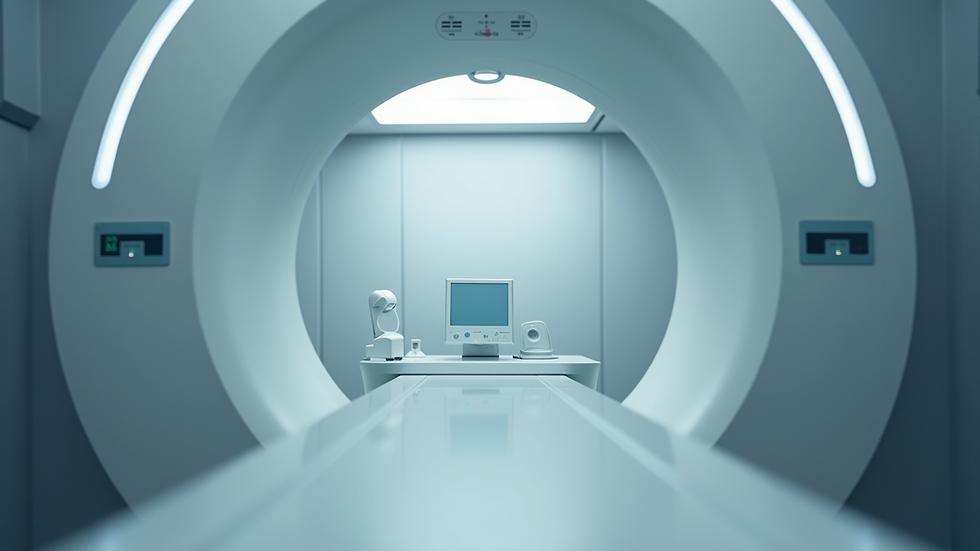
Magnetic Resonance Imaging (MRI)
Computed Tomography (CT) scans
Electrocardiograms (ECG) for heart monitoring
Many diagnostic centres in London provide quick turnaround times for test results, enabling timely medical decisions. Some facilities also offer walk-in services for urgent diagnostic needs.
Emergency and Urgent Care: Immediate Medical Attention When Needed
Emergencies can happen at any time, and London’s healthcare system is well-prepared to respond. Accident and Emergency (A&E) departments in major hospitals provide 24/7 care for serious injuries and sudden illnesses. These departments are staffed by highly trained professionals equipped to handle trauma, cardiac events, strokes, and other critical conditions.
For less severe but urgent medical issues, London offers urgent care centres and walk-in clinics. These facilities provide treatment for minor injuries, infections, and other conditions that require prompt attention but are not life-threatening.
It is important to know when to use emergency services and when to visit urgent care to ensure efficient use of resources and receive appropriate care.
Mental Health Services: Support for Emotional and Psychological Well-being
Mental health is an integral part of overall health, and London provides a variety of services to support emotional and psychological well-being. These include counselling, therapy, psychiatric care, and community support programmes.
NHS mental health services offer access to psychologists, psychiatrists, and counsellors for conditions such as anxiety, depression, and bipolar disorder. Private mental health clinics also provide specialised treatments and shorter waiting times.
Many organisations in London promote mental health awareness and provide resources for self-help and crisis intervention. Early intervention and ongoing support are key to managing mental health effectively.
Rehabilitation and Physiotherapy: Regaining Strength and Mobility
Rehabilitation services in London help patients recover from surgery, injury, or illness. Physiotherapy is a common component, focusing on restoring movement, reducing pain, and improving physical function.
London’s rehabilitation centres offer tailored programmes that may include:
Manual therapy
Exercise therapy
Pain management techniques
Occupational therapy
These services are essential for patients recovering from strokes, fractures, sports injuries, and chronic conditions like arthritis. Access to rehabilitation can significantly improve quality of life and independence.
Navigating Healthcare in London: Tips for Patients
Navigating the healthcare system in a large city like London can be challenging. Here are some practical tips to help you access the best medical services:
Register with a local GP: This is your gateway to most NHS services.
Use NHS online resources: Websites and apps provide information on services, appointment booking, and health advice.
Consider private options for faster access: Private clinics can reduce waiting times for specialist consultations and diagnostics.
Prepare for appointments: Bring a list of symptoms, medications, and questions to make the most of your consultation.
Know emergency numbers: Dial 999 for emergencies and 111 for urgent medical advice.
By being proactive and informed, you can ensure timely and effective healthcare.
The Future of Medical Services in London
London continues to innovate in healthcare delivery, integrating technology and patient-centred approaches. Telemedicine is becoming more widespread, allowing remote consultations and monitoring. Digital health records improve coordination between providers, enhancing continuity of care.
Investment in research and specialised centres also positions London as a leader in medical advancements. Patients benefit from access to cutting-edge treatments and clinical trials.
As healthcare evolves, staying informed about new services and technologies will help you make the best choices for your health.
London’s comprehensive medical services offer a robust framework for maintaining and improving health. From primary care to specialised treatments, emergency response to mental health support, the city’s healthcare system is designed to meet diverse needs efficiently. By understanding the available options and how to access them, you can take control of your health journey with confidence.


Comments